
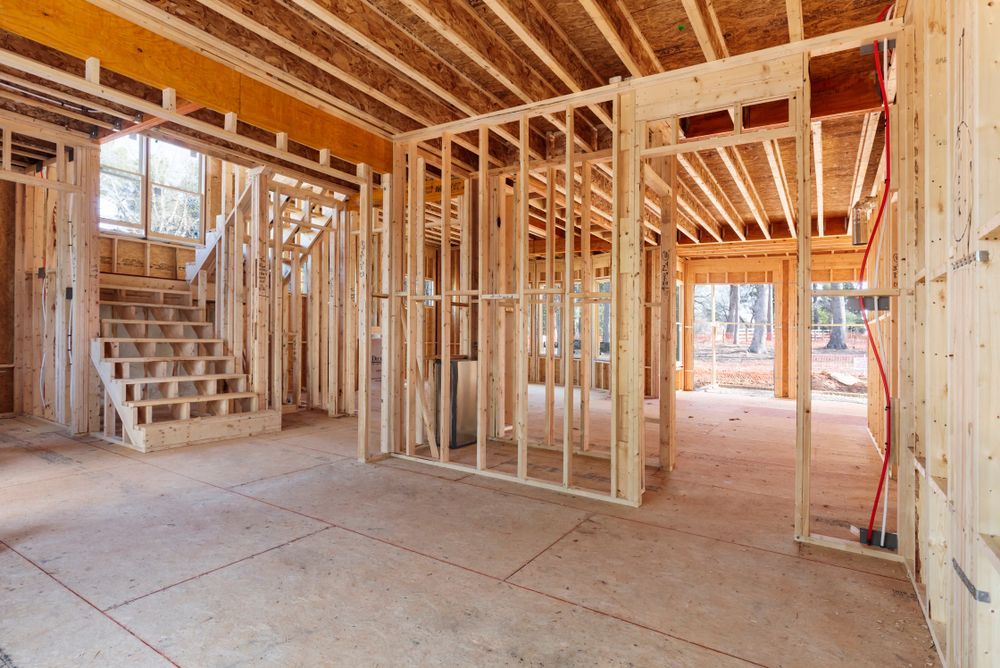
Structural Layouts That Support Commercial Builds
Commercial wood and metal framing for offices, retail spaces, and tenant build-outs in Houston, Texas.
When you are building out a commercial space in Houston, the framing has to support not just walls and ceilings, but also the mechanical systems, interior finishes, and code requirements that come with commercial construction. Texas Home Remodeling Houston LLC provides commercial wood and metal framing for offices, retail spaces, and tenant build-outs, working with structural layouts, load requirements, and the coordination needed to keep your project on schedule and ready for inspections.
This service includes framing interior walls, soffits, bulkheads, and ceiling structures using wood studs or metal framing systems depending on the design and fire rating requirements. The team coordinates with electrical, HVAC, and plumbing contractors to ensure that framing accommodates conduit runs, ductwork, and piping without conflicts or rework. All work is done by a fully licensed and insured crew familiar with Houston-area commercial permitting and inspection processes.
If you are planning a commercial build-out in Houston and need framing that meets code and integrates with the rest of your project, contact Texas Home Remodeling Houston LLC to discuss your timeline and requirements.
How Framing Sets the Stage for Everything Else
The framing process in Houston starts with reviewing the floor plan and identifying where walls, door openings, and ceiling drops need to go based on your design and building codes. Metal or wood studs are installed at the correct spacing to support drywall and finishes, and blocking is added where fixtures, shelving, or equipment will be mounted. The team works alongside other trades to ensure framing does not interfere with mechanical systems or electrical conduit.
Once framing is complete, you will see the layout of your space take shape, with walls positioned according to the floor plan, door openings framed to the right size, and soffits or bulkheads in place to conceal HVAC or plumbing runs. The structure will be square, plumb, and ready for drywall, and there will be no conflicts between framing and the mechanical systems that need to pass through or around it.
All framing is inspected to meet commercial building codes, and permits are managed as part of the service. The team uses precision measurements and coordination to avoid delays, rework, or failed inspections. If your project involves fire-rated walls, specific load requirements, or complex ceiling layouts, the framing is designed and installed to meet those standards without cutting corners or guessing.
It makes sense to ask questions before framing begins
Commercial property owners and managers in Houston often want to know how framing affects the overall timeline, what the difference is between wood and metal framing, and how inspections are handled. These questions cover the practical details that affect cost and scheduling.
If you are building out a commercial space in Houston and need framing that meets code, coordinates with other trades, and keeps your project on schedule, Texas Home Remodeling Houston LLC can manage the work from planning through inspection. Reach out to discuss your layout, timeline, and permitting requirements.